Our second day in Jaipur begun with a breakfast at our hotel’s rooftop restaurant –a small oasis in the middle of a hectic city. So important when traveling in India!
We had nothing special planned for the day, apart from visiting the world-famous Hawa Mahal and continue exploring the city. Hawa Mahal, commonly known as the Palace of Winds, is the monument that appears in almost all commercial photos one sees about Jaipur. It is dedicated to Hindu god Krishna. Constructed in the late 18th century, the palace has a curious history and design: its latticed windows were built in a way that allowed the veiled women of the royal harem of observe the outside life without being seen! Renovations were going on during our visit, but visitors were allowed to climb to the top floor and enjoy viewing Jaipur and imagining how these women felt looking down to the street. A monument not to be missed!
 Afterwards we decided not to visit Jantar Mantar (the observatory), and instead headed outside of the city to visit Jal Mahal, the 18th century Water Palace. On our way back we stopped at a textile shop to buy some local clothes (half silk half linen, apparently). Looking at colors available was mind-blowing!!!
  As Jaipur is world-famous for precious stones and jewelry making (many of the ornaments worn by maharajis come from Jaipur!), we stopped by a few shops to better understand the centuries-old jewelry-making tradition. What we saw was breathtaking but since we are not professionals, we did not buy anything too expensive. If you like design and jewelry, do visit one of the jewelry houses even if you have no intention ob buying. Most shops are used to tourists and happy to show you around.
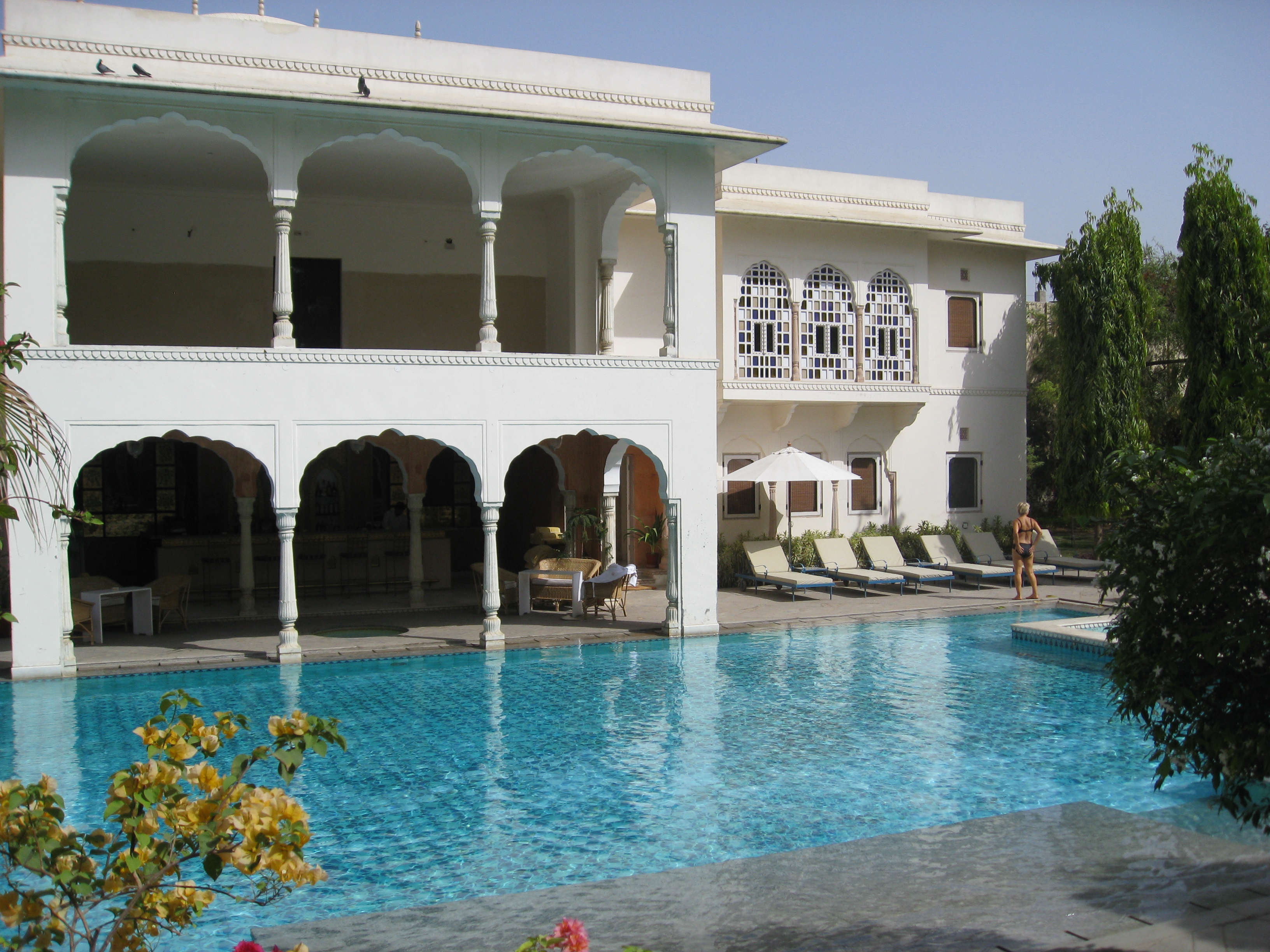
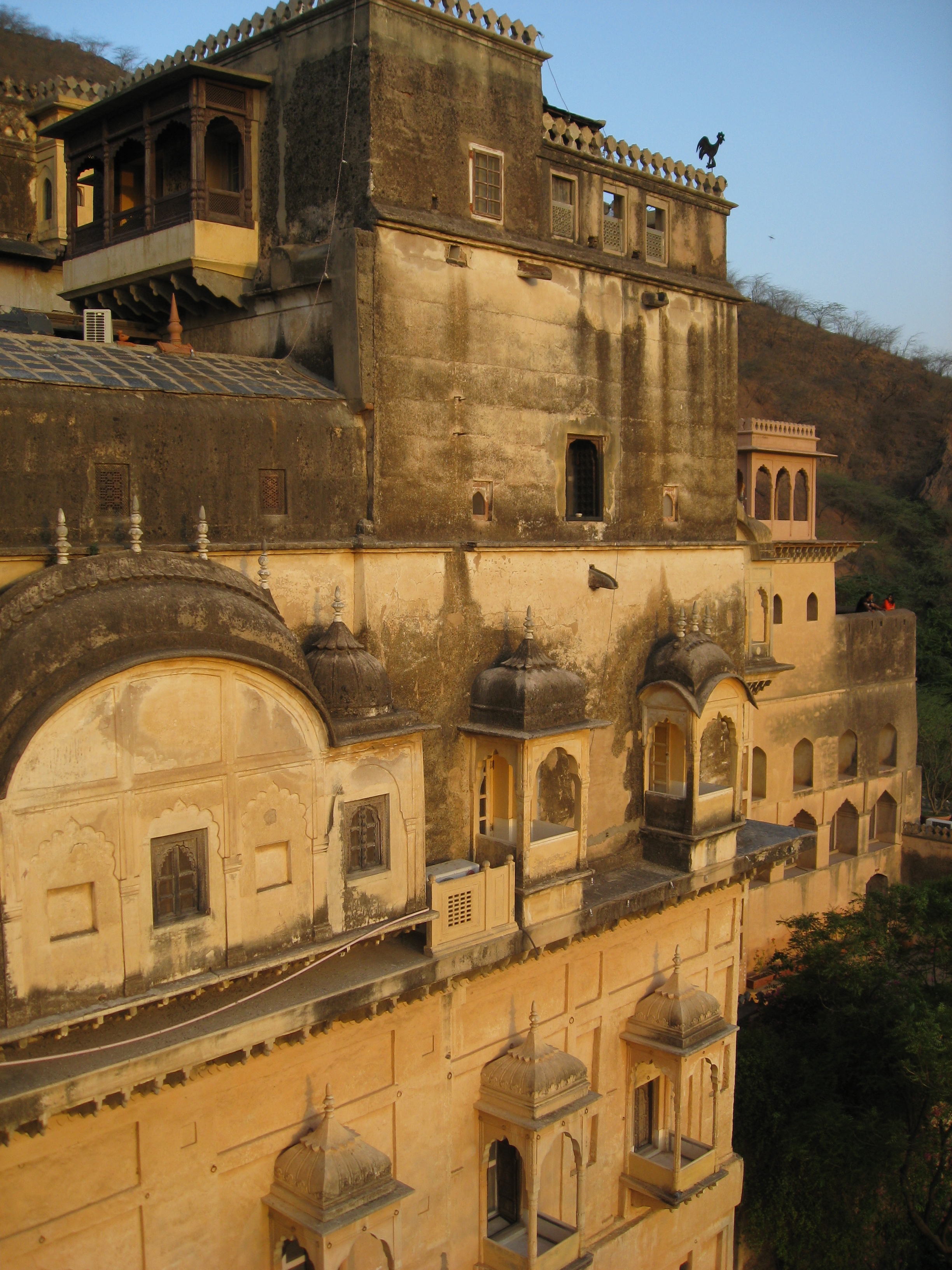
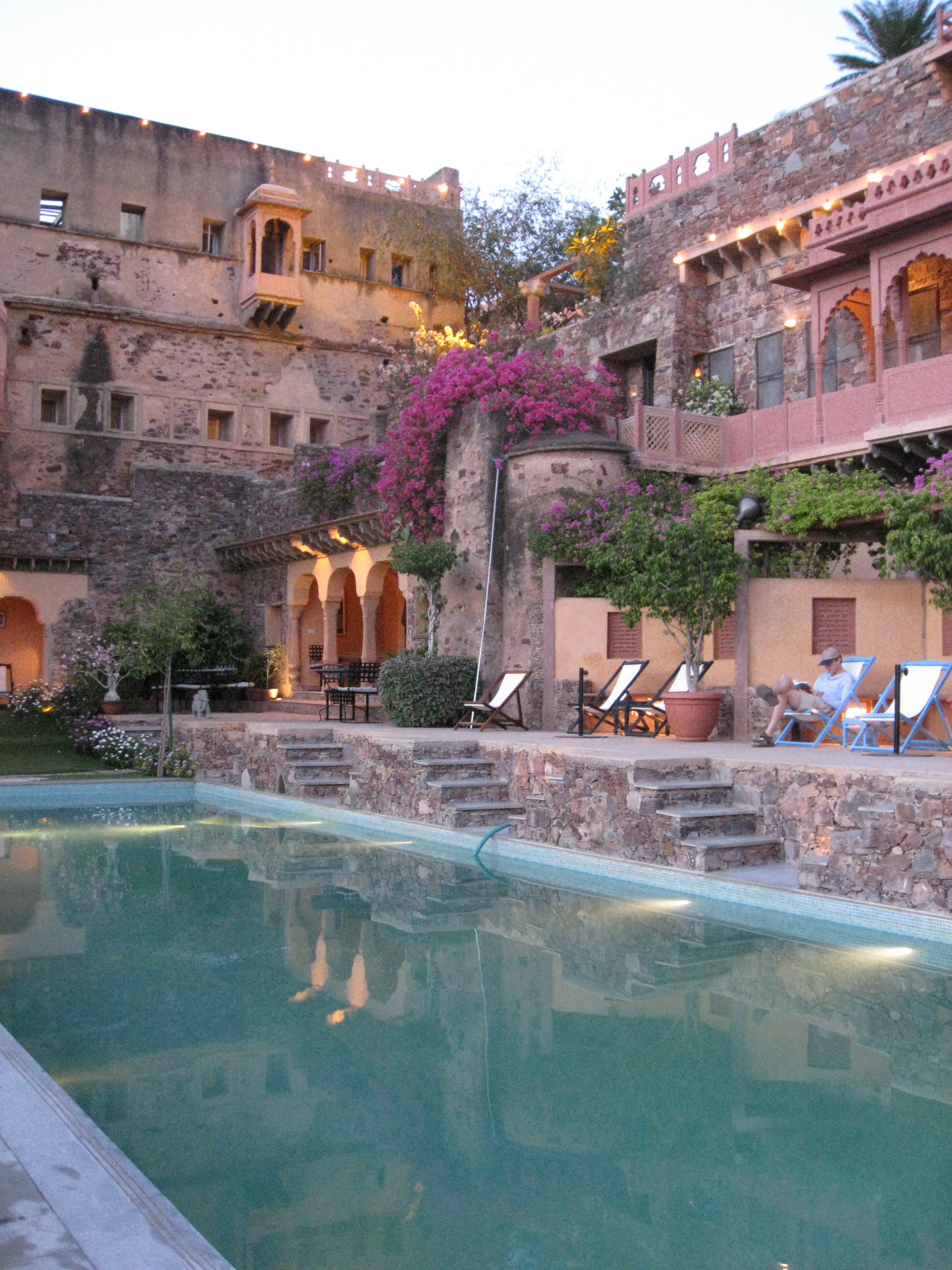
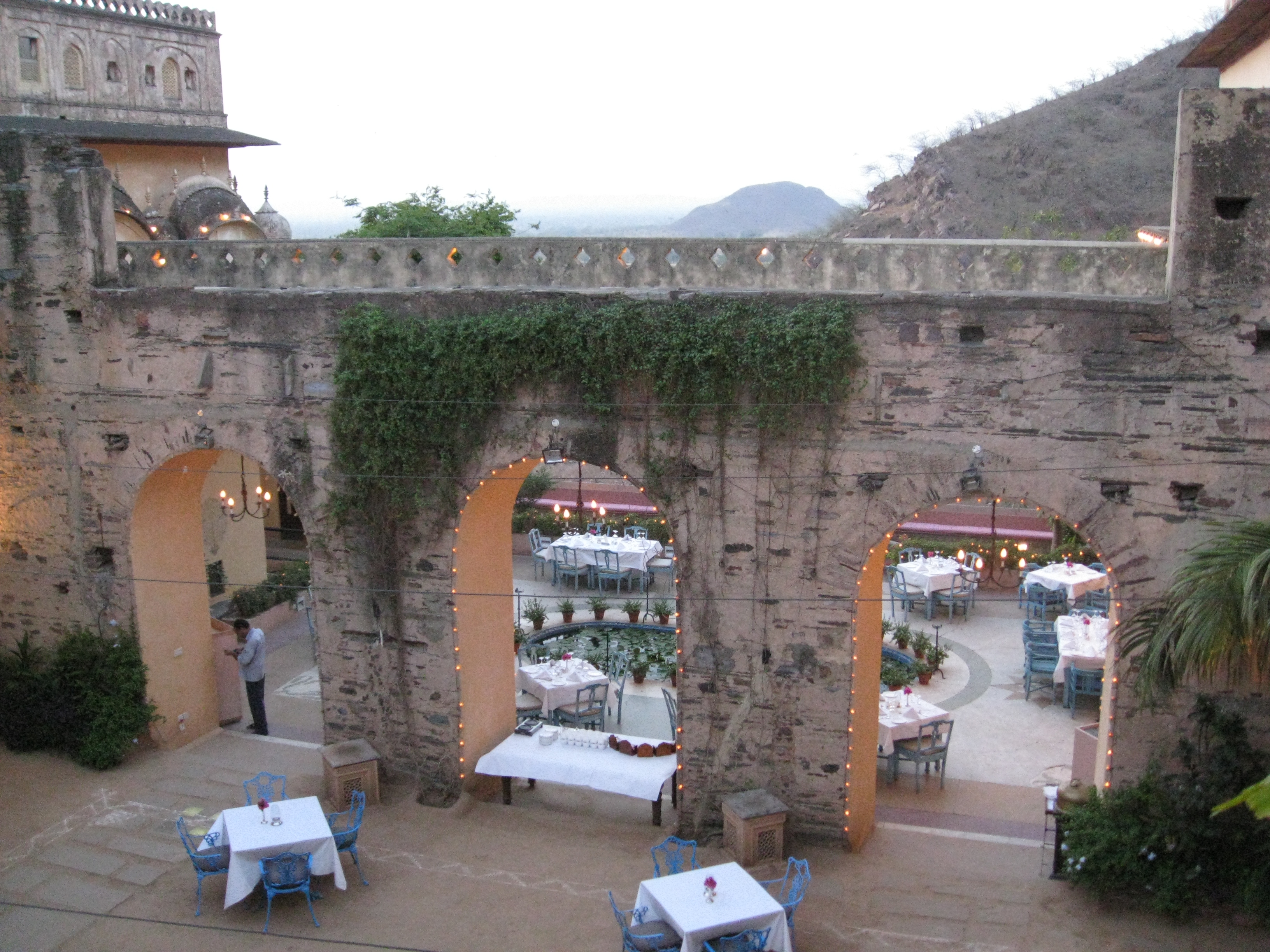
 For the rest of the day we visited old havelis (old private houses) converted into hotels (like the one in the photo). Rajasthan is full of havelis, and Jaipur has a fair share of them. They are an integral part of the region’s history and usually full of antique furniture and stylishly decorated, respecting the local traditions. If you are into architecture, I would strongly consider visiting these historic and lovely pearls.
  We spent two full days in Jaipur and could have stayed longer. It is the most accessible city in Rajasthan if you are coming from Delhi, but regardless of tourism masses, Jaipur has remained rather pleasant. Our only regret was that we didn’t buy more souvenirs in jaipur –its bazaars are really fantastic. As other towns in Rajasthan do not necessarily have same products, think of filling your suitcase with souvenirs from Jaipur!
Note: This is the ninth post about our trip in Delhi, Agra, Rajasthan and Bombay in March-April 2008. Previous posts are:
Part 1. Arrival in Delhi: first impressions
Part 2. Eight cities of Delhi
Part 3. Road from Delhi to Agra
Part 4. Visiting Agra and Taj Mahal
Part 5. Fatehpur Sikri: what a pearl!
Part 6. Neemrana Fort-Palace: the magnificent 15th century palace
Part 7. Breathtaking Amber Fort
Part 8. Chaotic but charming Jaipur (part 1.)
PS Have you already joined Pearlspotting?










 pearlspotting