Tag Archives: architecture

Heraklion and the Surrounding Areas

This is my last piece on Heraklion, the administrative capital of Crete. You have probably already read The Palace of Knossos and the Archaeological Museum of Heraklion and Where to eat in Heraklion? All you need to know more is what else there is to do and where to be based to do all this stuff. Enjoy!

For most tourists Heraklion is a mere transit point. Others may drive through it on the way to the famous ruins of Knossos. We stayed two nights in this city and loved it! Let me show you why I liked it so much.Heraklion
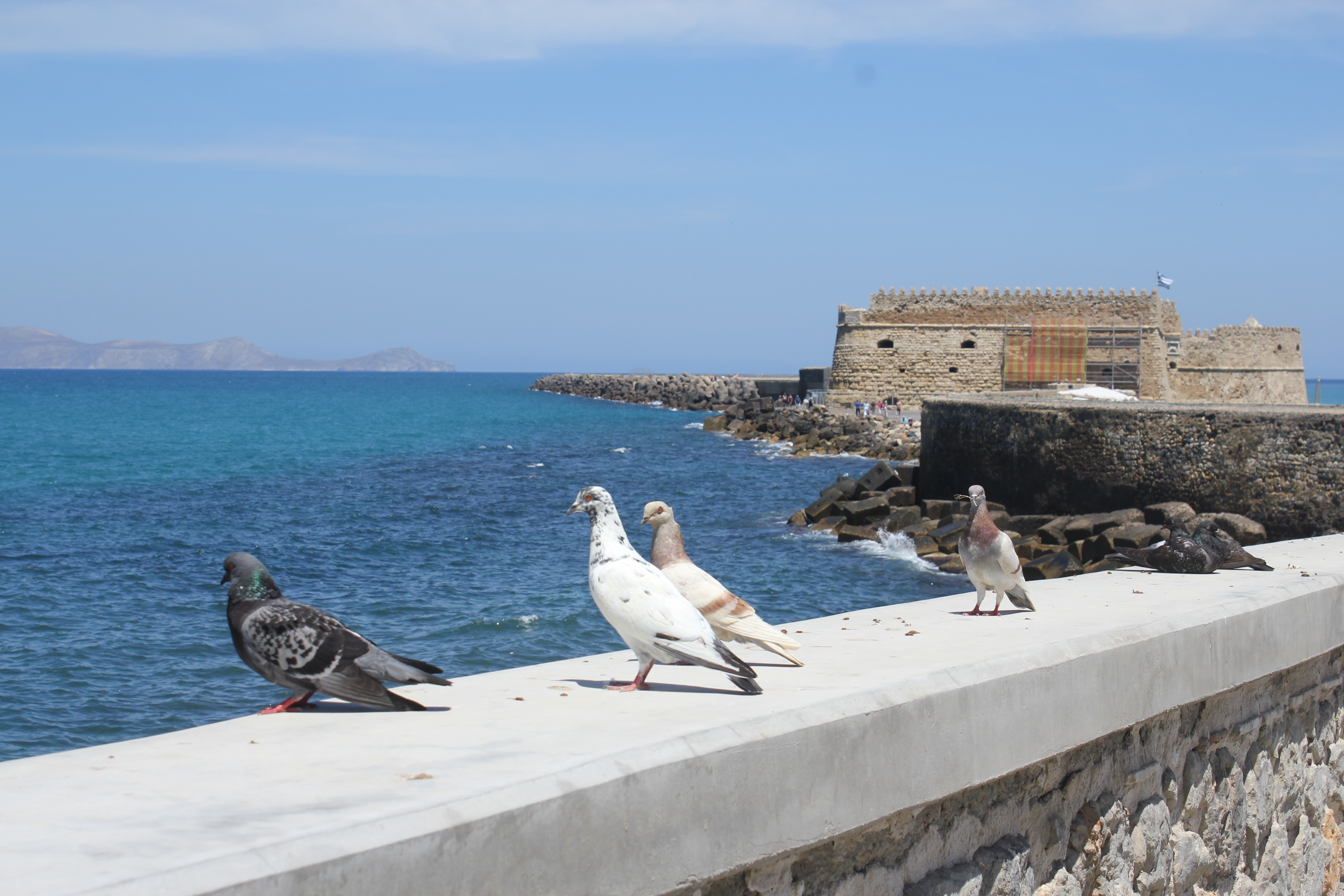
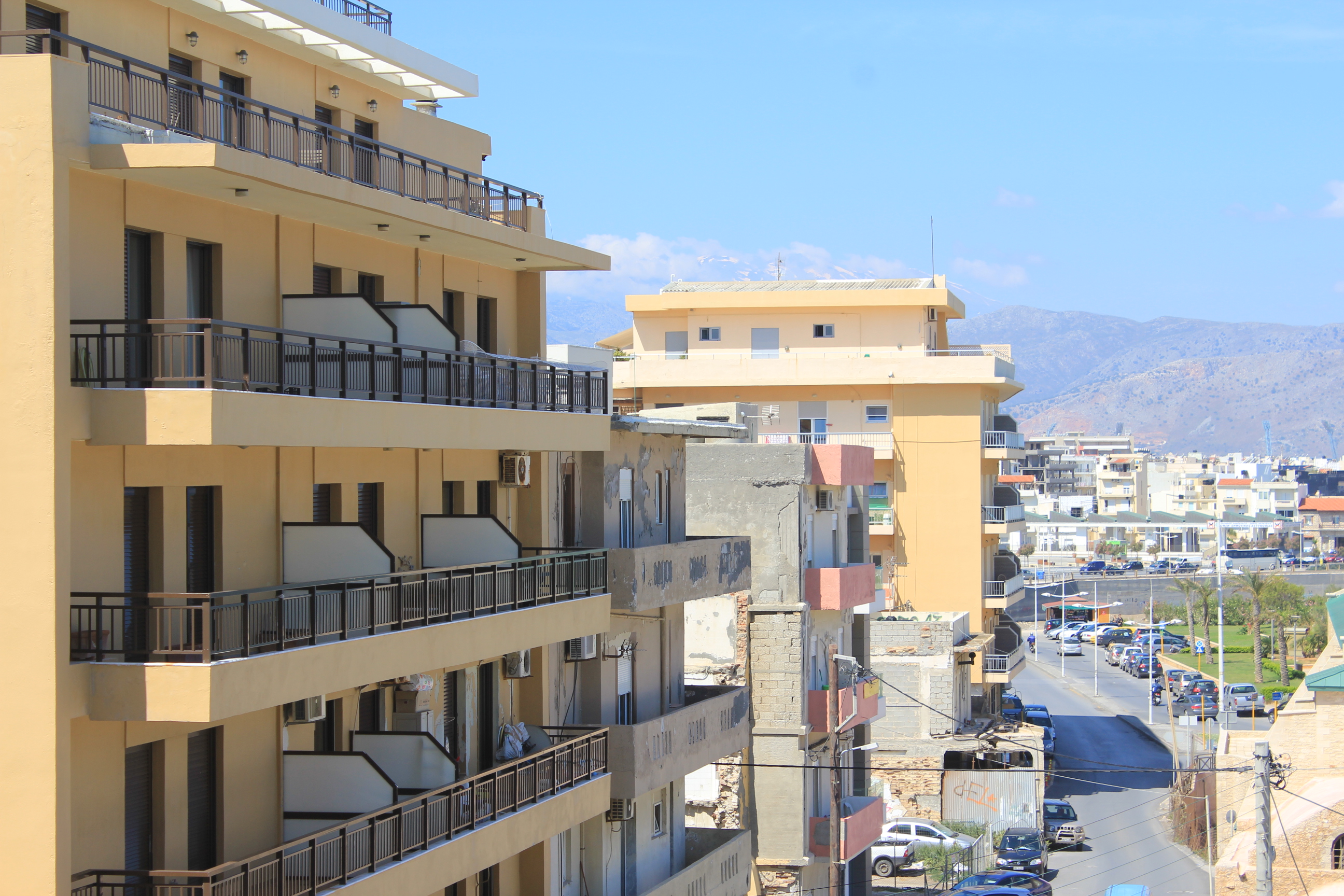
First impressions of Heraklion: Heraklion was not as polluted, full of traffic and noisy as I had expected. But I think we had a nice impression of the city also because we spent a lot of time by the harbour where it is more quiet. This is also where we ate in the evening (Where to eat in Heraklion?). Moreover, I have never been to Beirut (shame on me) but Heraklion looked like what I imagine Beirut to look like (except that Beirut has taller buildings and it is much bigger). There was also something in the architecture of the balconies that reminded me of Algiers… I was definitely in a Mediterranean city but Heraklion was not like any other city I had been to before and it was exciting.Kronos Hotel

Fancy a hotel by the sea? We stayed at the Kronos Hotel (http://www.kronoshotel.gr/), located right in front of the sea and a few steps away from the Old Harbour, which is also where the main street called 25 Avgoustou begins. In front of the hotel there are free parking places. The rooms are simple yet very clean, and come with a balcony either facing the sea or the city (we could see the snow-covered mountains in the horizon!). Everything wasview from Kronos Hotel renovated in 2011. The reception area is lovely; big glass windows all over proudly present the Mediterranean to hotel’s guests. The staff are very friendly and helpful (it is a family-owned hotel). We payed 55€ per night (excluding breakfast which costs 5€) and felt the price was correct.
What else to do besides Knossos and the Archeological Museum? We stayed two nights in Heraklion. The first day we visited Knossos in the morning (it took us about two hours) and Heraklion Wine Countryafterwards the Iraklio Wine Country, recommended by Lonely Planet Crete (2012). It was a pleasant drive even if we did not stop at any of the wineries. From what I have heard, there are some excellent wineries in this region and what I tasted at restaurants only confirmed this. In addition to wineries one can visit many historical sites. Unfortunately there were some works so the road was partially blocked and we did not find Fourni and Anemospilia Temple. However, even if it was not our case, I can easily imagine one spending an entire day driving around the region. Heraklion Wine Country

It started raining quite heavily in the end of our wine region tour.  We did not want yet to return to the hotel, so we thought to drive to Malia (see, all this you can do in one day if you wake up early!). Malia is an other important archaeological site and very close to Heraklion but we did not reach it by the closing time (3am also during the off-season). We drove back to Heraklion via some resort areas (Hersonisos etc.) and all I can say is: do not stay here. It was all about mass tourism and the least interesting part of Crete I saw during nine days.

On our second day we visited the Museum and walked around the old town of Heraklion. During the Second World War the city got badly bombed but several beautiful Venetian houses remain. And there are many cafes. Many! In the early afternoon we left Heraklion for Rethymnon, very pleased with this brief but rewarding stay in Heraklion.

The Palace of Knossos and the Archaeological Museum of Heraklion

Tourists come to Heraklion to see mainly two attractions: the Palace of Knossos (http://odysseus.culture.gr/h/3/eh351.jsp?obj_id=2369) and the Heraklion Archaeological Museum (http://odysseus.culture.gr/h/1/eh151.jsp?obj_id=3327). Internet is full of information about these two sites so I will focus on sharing my impressions and some practical information.

The Bull-Leaping Fresco IMG_2944

Knossos is exactly 7km away from the Old Harbour. Guide books tell you to arrive before 10am in order to avoid the crowds but we arrived at 11am and it was not yet crowded (well, the last time we visited a site like this it was the Angkor Temples in Cambodia and it was VERY busy, so nothing will probably ever feel the same afterwards!) But please notice that we were visiting Knossos outside the peak season.

Archaeological Museum of Herakleion

Prior to visiting Knossos we had heard quite a bit of criticism about the site’s excavation and restoration efforts but we thought everything was pretty well done and clear. The Fresco Gallery was my favorite. It was interesting to hear that the Minoans had taken a special liking to the nature and animals, and beautiful and colorful birds, as well as monkeys, were brought from Egypt to Crete. Many exotic-looking animals are therefore featured on the frescoes and clay jars.

statues

Lonely Planet Crete (2012) provides you with an itinerary how to visit Knossos (starting by the West and the North Court), but the signs at the site tell you to do the opposite. I don’t have an opinion on this; both seem to work. Knossos costs 6€ per person and for 10€ you can buy a ticket that includes the Museum (it is valid during one week), but it is not necessary because the museum ticket brought separately costs 4€ (there is no discount).

We visited first Knossos and the Museum the next day but it is totally feasible to visit Knossos and the Museum the same day. However, I would recommend to keep this order: first Knossos, then the Museum. The Museum wraps up nicely everything that you saw and read in Knossos.

Archaeological Museum of Herakleion

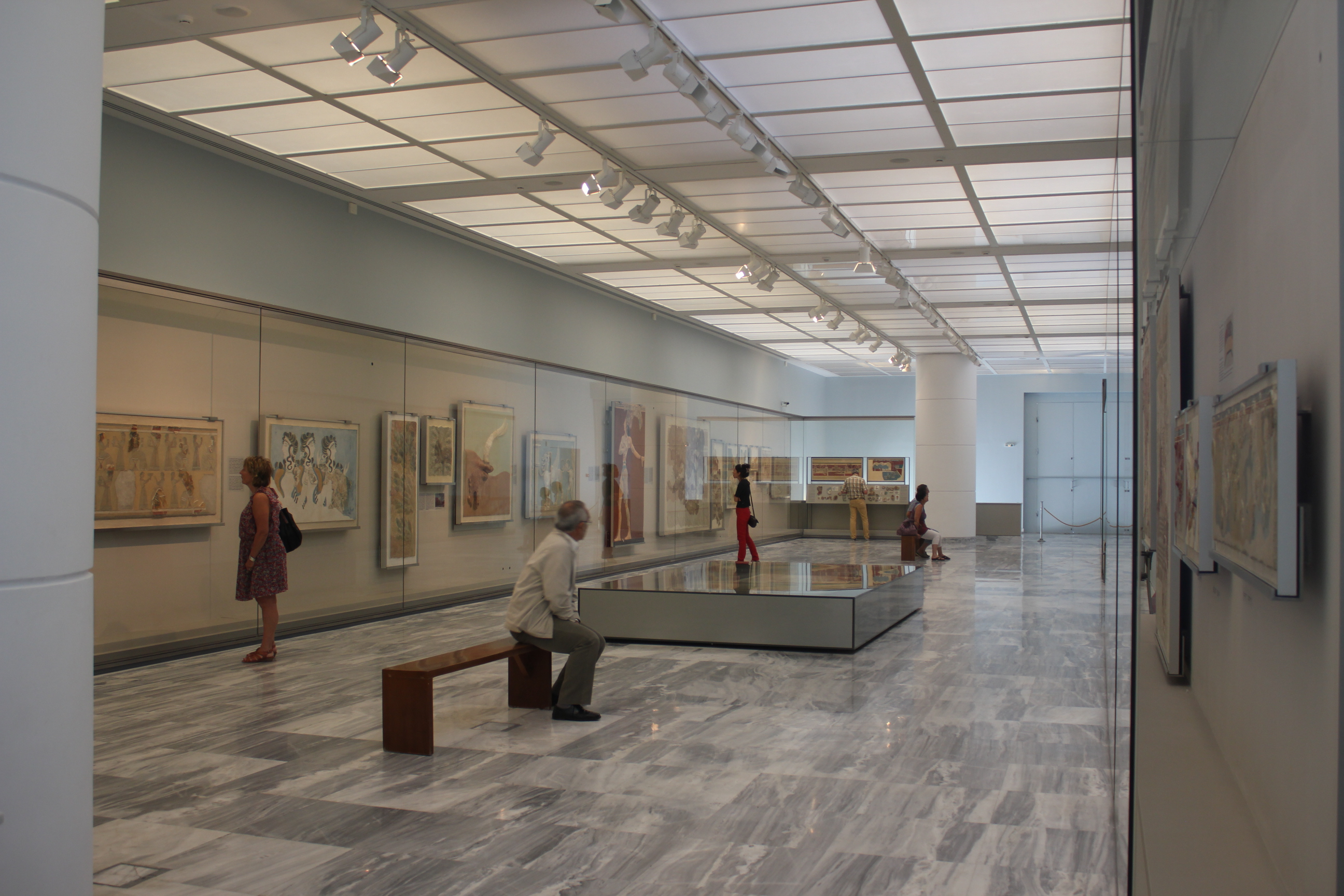
The museum is under renovation and at the moment there are only three areas open to the public: around the corner from the main building you have the main collection with excellent explanations and in the main building there are two room: one for statues and one for the famous frescoes. I was told there will be more rooms open this summer but no details were shared.

I do not consider myself as someone crazy about museums but I fell in love with the Heraklion Archaeological Museum and the history of Knossos. Knowing that this is where the first European city was developing almost 4000 years ago really struck me.

Good morning the rooftops of Paris!

This is the view from our bedroom this morning around 10 o’clock. There is no denying it, the summer is almost here. Like any real or wanna-be Parisienne, I will head to the market now: either to Le Marché Bastille (http://equipement.paris.fr/marche-bastille-5477) or to Le Marche d’Aligre (http://marchedaligre.free.fr/). Muskmelons (also called cantaloupe) and strawberries are waiting for me!

rooftops in Paris

Paradise in colors: Temple Tree at Bon Ton

We were in Koh Lipe, Thailand, and our return flight back to Paris from Kuala Lumpur, Malaysia, was only few days away. When you look at the map, you see that Koh Lipe is one of the closest Thai islands to Malaysia. If you are on your way to Kuala Lumpur, it makes a lot of sense to stop in Langkawi, one of Malaysia’s prime beach destinations. We took a speedboat from Koh Lipe to Langkawi and in just over one hour we crossed the border and were welcomed by a customs officer who drove us to a customs building and then to our hotel (these services came with the speed boat ticket). And I had thought it is easy to cross borders in Europe!

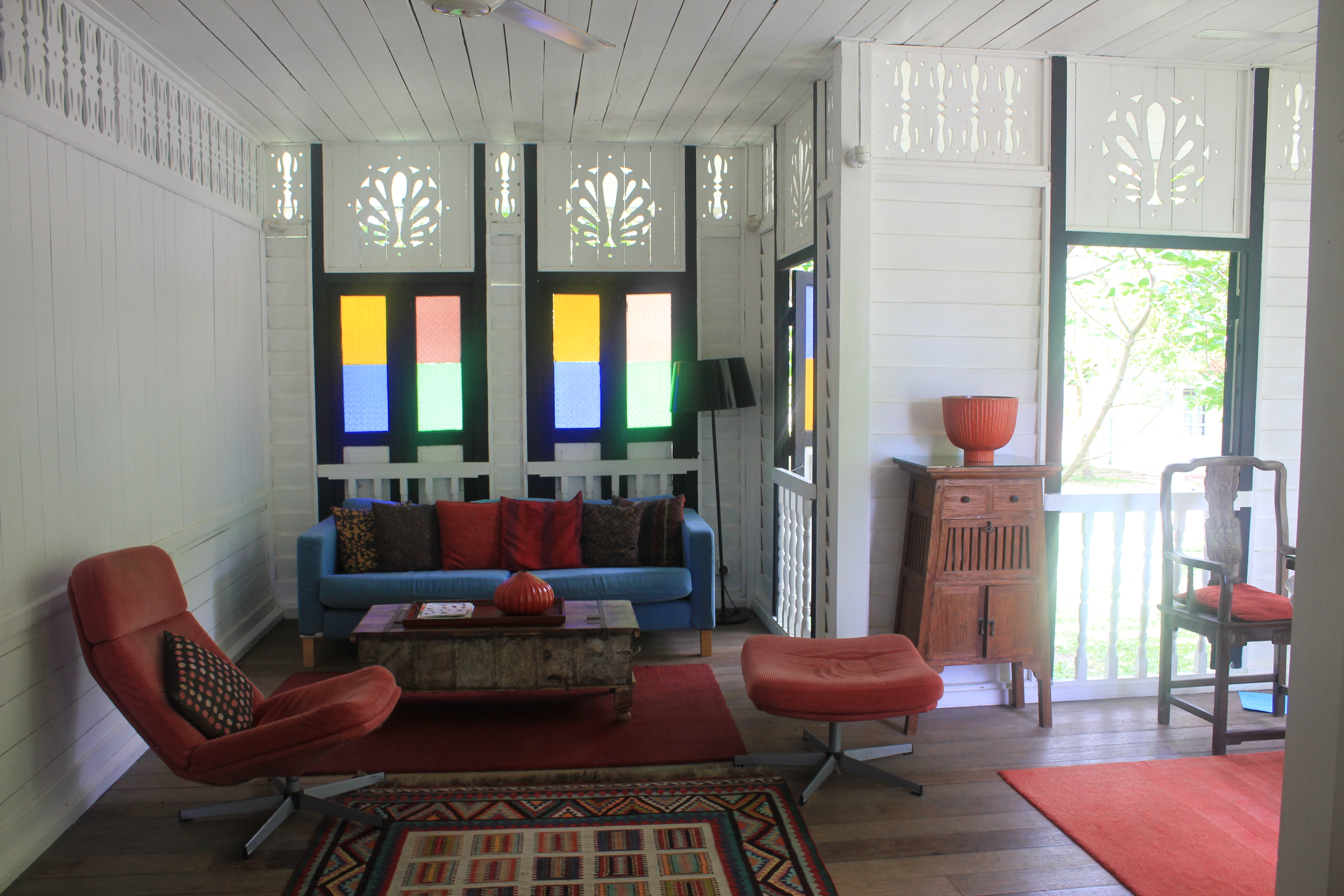
Our brief stay at Temple Tree at Bon Ton (http://www.templetree.com.my) was truly delightful. If you have been to India, you may know the Neemrana group of hotels (http://neemranahotels.com)? Every Neemrana hotel is a heritage building and rooms are decorated with local textiles, objects of art and antique furniture. Well, this is what Temple Tree is about, too. Temple Tree consists of eight villas; colorful, wooden heritage buildings that originate from different parts of Malaysia, representing different eras and aspects of Malaysian history. “Bon Ton” in the name refers to Temple Tree’s sister hotel, which is a short walk away (http://www.bontonresort.com.my).

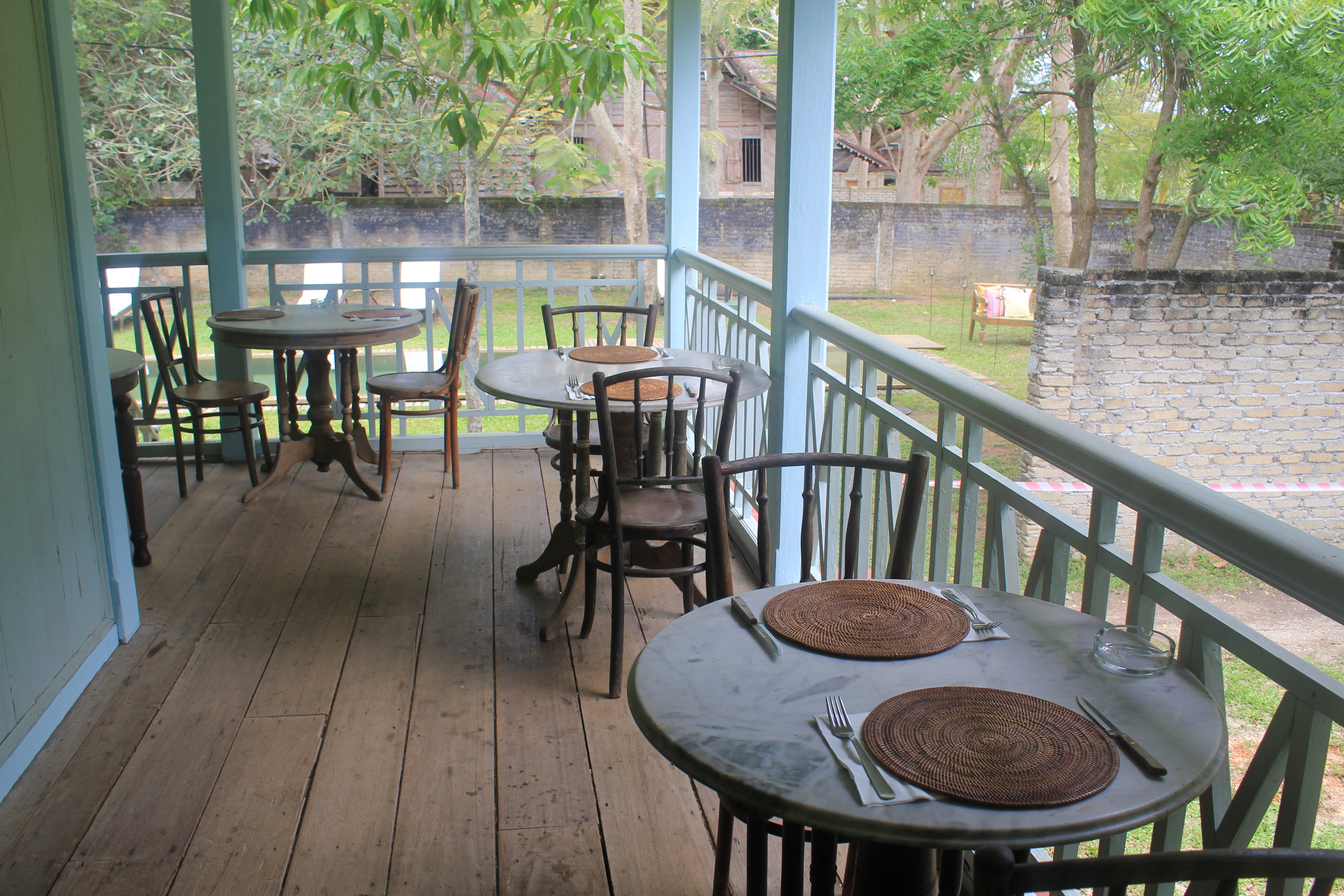
Chinese Houserestaurantreceptionpool viewIMG_2110IMG_2124

Upon arrival, we were welcomed like royalties with excellent Australian Chardonnay and an upgrade to Colonial House, usually reserved for honeymooners. After a dip in the pool and a walk around the estate, we enjoyed a sample platter of Malay cuisine and char-grilled lamb racks. Just one word: excellent. The next evening we flew with Air Asia back to Kuala Lumpur (there is a flight almost at every hour!), very pleased with the idea to stop in Langkawi. I would recommend Temple Tree to anyone looking for an original hotel with a soul.

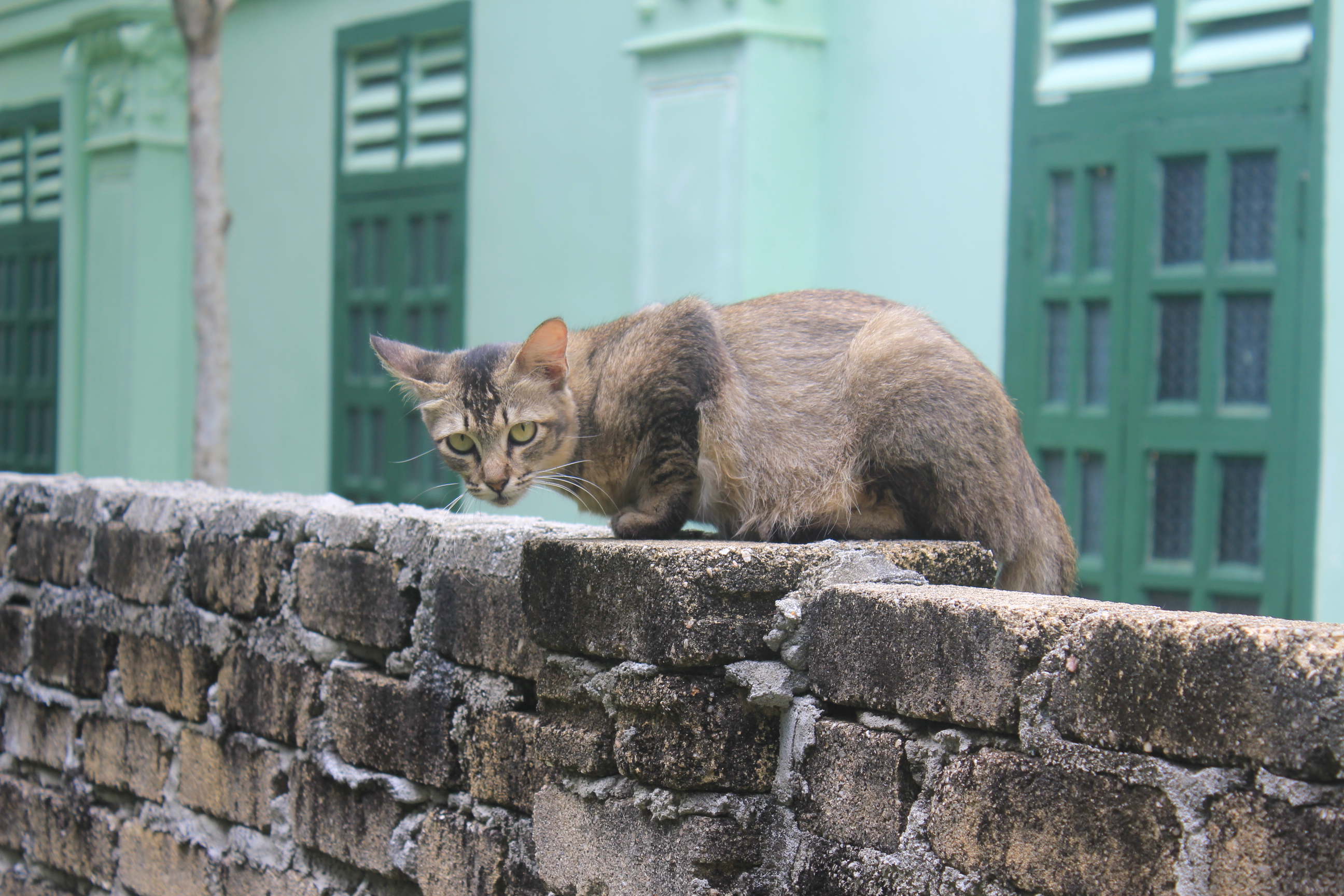
Black and White Houseone of many catspoolChinese House

We had nothing to complain about our stay, but some words of advice may become handy. First of all, there is no beach. Both Temple Tree and Bon Ton face a lagoon (see the photo above). It is very idyllic with birds and butterflies, and very green, but should you want the beach, you can take a short cab ride (costs about 2USD one way) to Cenang Beach. Secondly, the owner loves animals and she is a proud owner of an animal shelter. There is a dog at the reception (a very quiet one, it seemed) and many, many cats at both hotels. If these two points do not bother you, then this your pearl in the middle of otherwise rather tourist island of Langkawi.

Chong Kneas and other floating villages around the Tonlé Sap lake

Besides the Angkor Wat and  other temples, where the trip startsmany tourists end up visiting the Tonlé Sap lake and river system, and its famous floating villages.

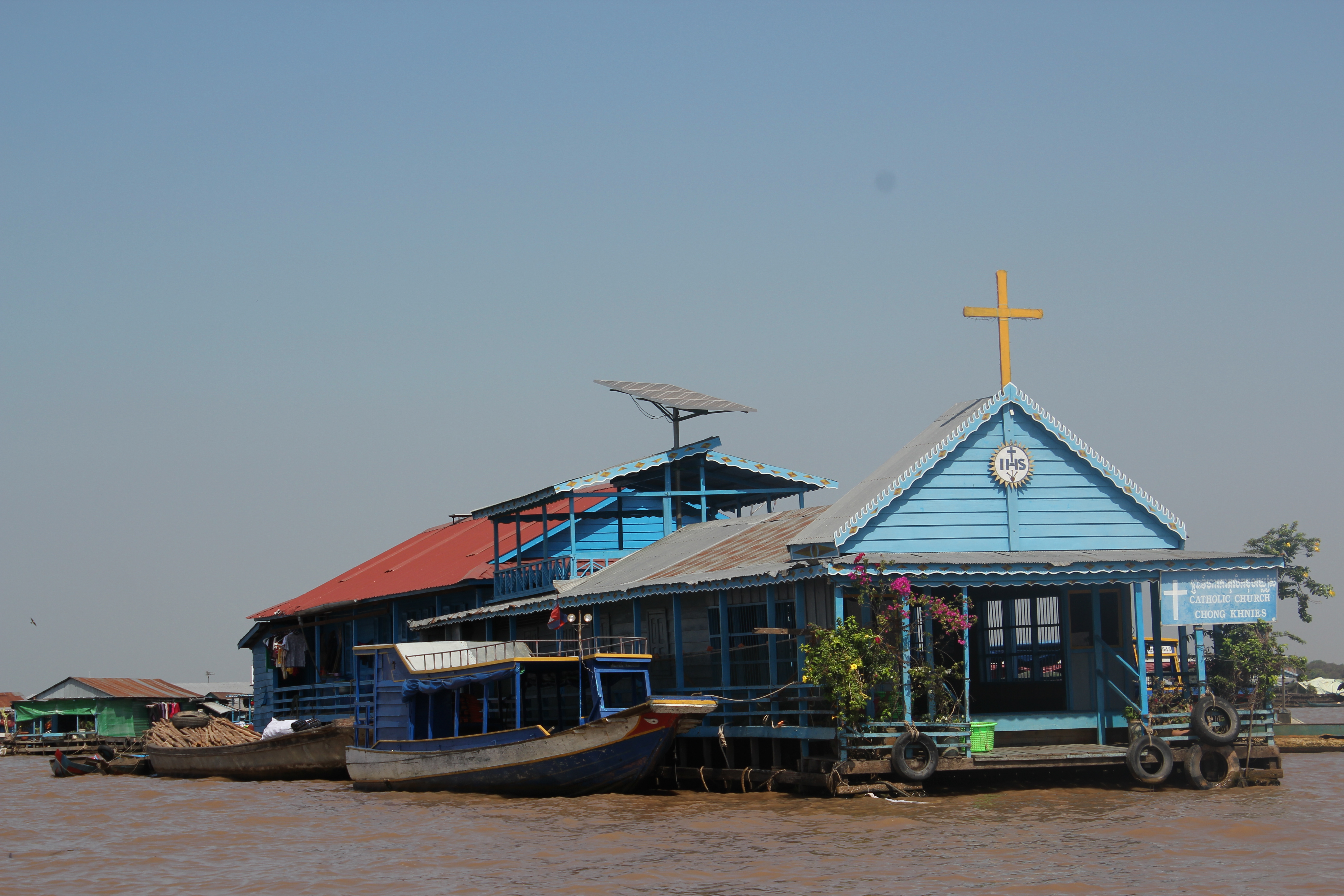
Tonlé Sap is the largest freshwater lake in Southeast Asia and its ecosystem is unique in many ways. During the monsoon, the lake’s surface area becomes six times bigger compared to its size during the dry season from November to May. As if this was not impressive enough, the lake changes its flow twice a year (and this is not a result of an old-style Communist experiment…).Catholic church

Moreover, it is estimated that over 1.2 million ethnic Vietnamese and Cham people inhabit the floating villages around the lake, mainly living from fishing (and tourism). More than half of Cambodia’s fish supply comes from this lake, so the lake’s importance for the entire Cambodia, economically and otherwise, cannot be exaggerated.

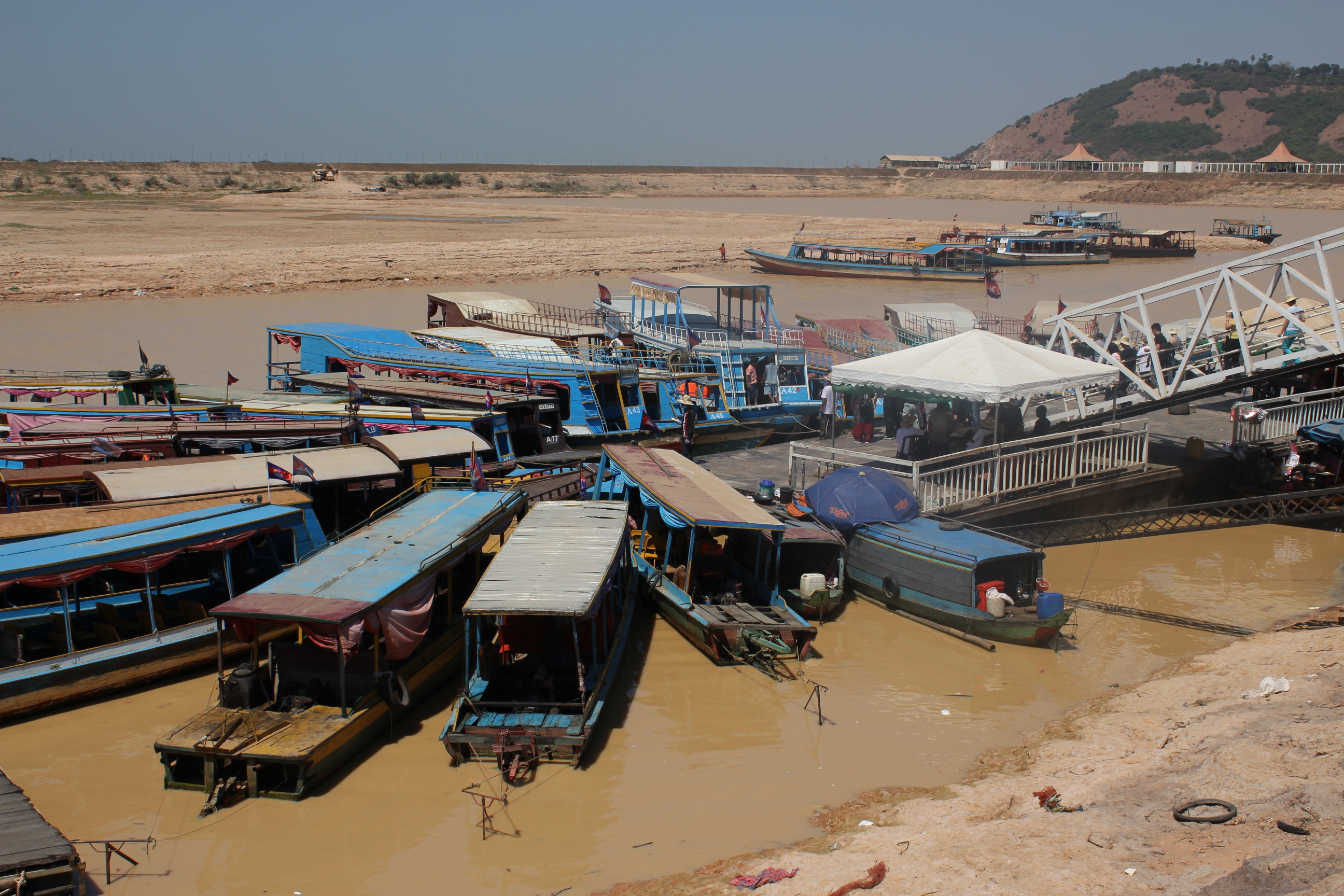
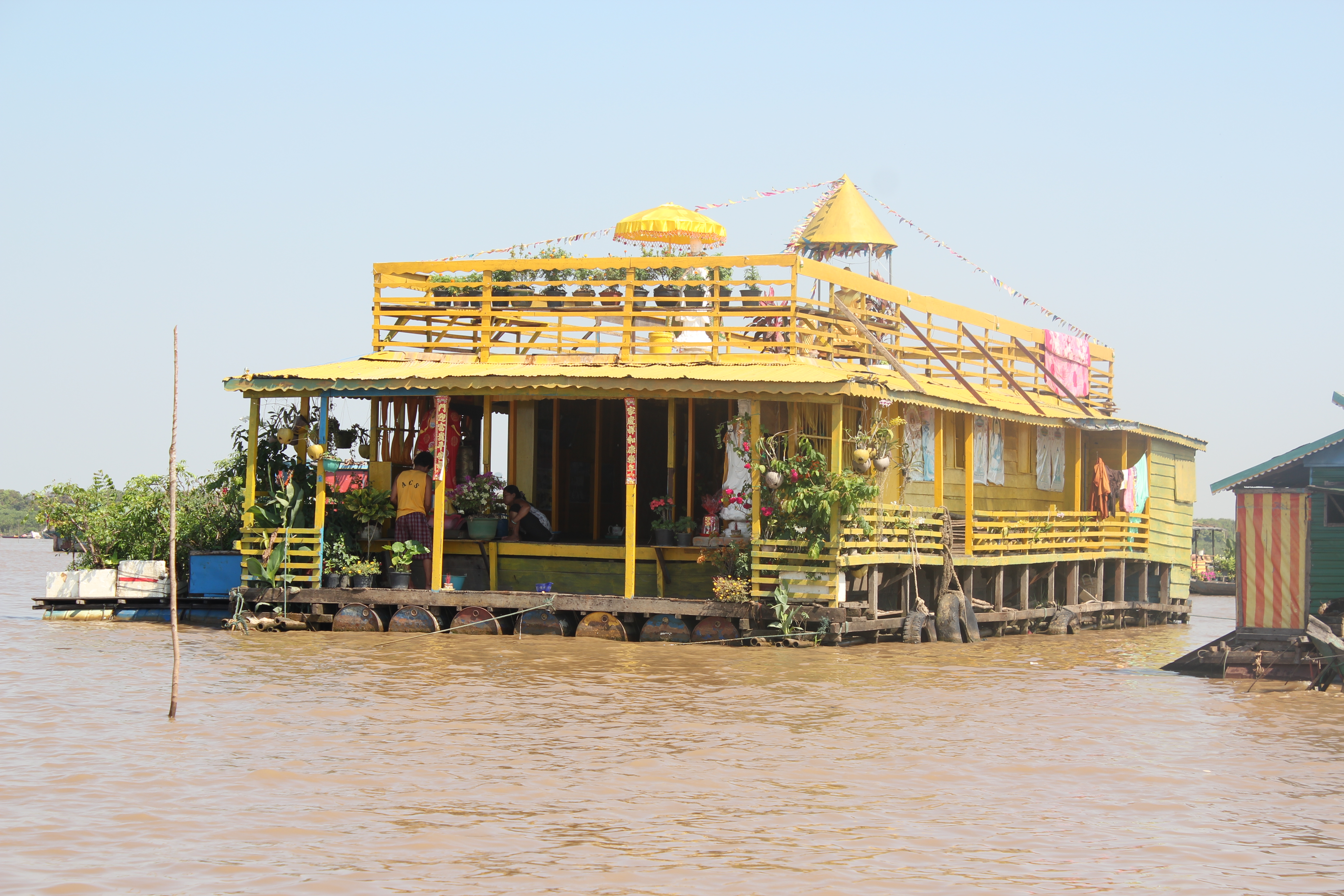
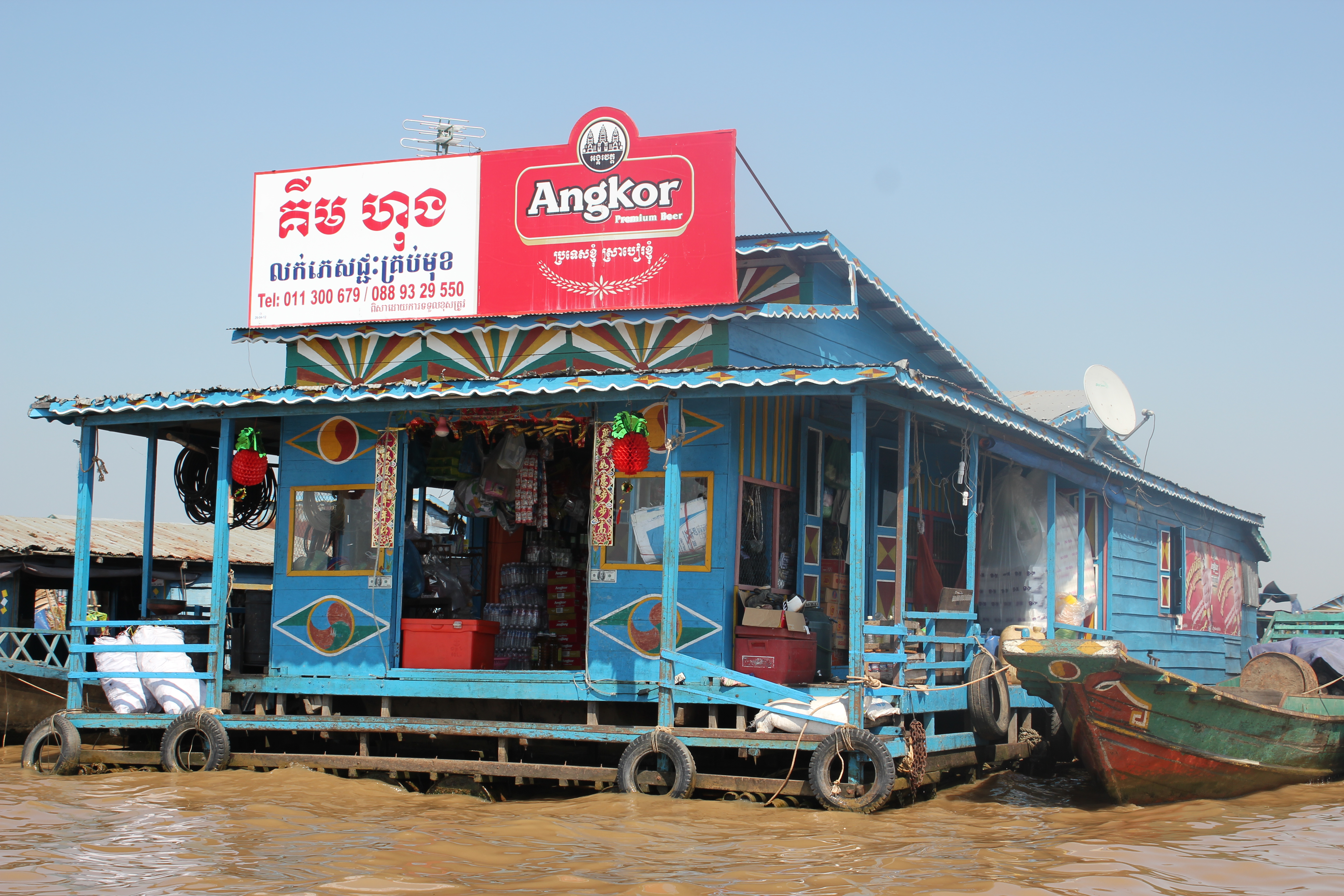
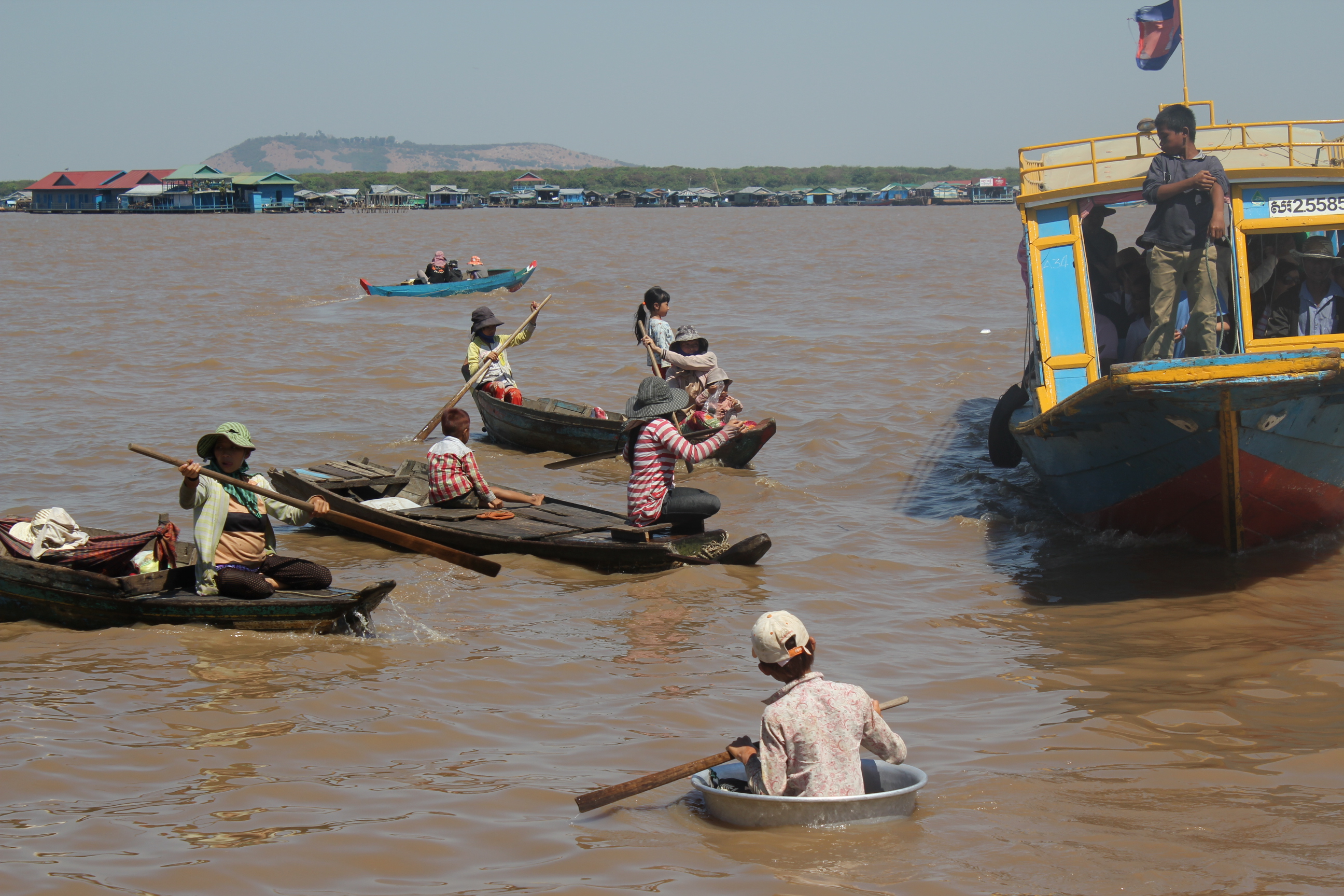
From Siem Reap it takes less than 30 minutes to reach the harbor (see the first picture) where you hop onto a private boat which takes you to the closest floating village from Siem ReaBuddhist templep: Chong Kneas. For 20USD per person, you have a private boat with a captain and a guide. The entire trip lasts about one hour and thirty minutes. After a fifteen-minute drive you enter the actual lake and start seeing water dwellings: private houses, shops, garages, churches (see the photo of a Catholic church), temples (see the photo of a Buddhist temple), schools etc floating around more or less in harmony.

Basically, what you see is a floating slum. The water is so dirty that you may not want to eat any more amok… a shopSurprisingly the lake does not smell bad, but it is clear everything gets thrown into the lake, and that the sustainability of this ecosystem is in danger as much as inhabitants’ health…

I understand and agree that Chong Kneas offers some nice photo opportunities (early in the morning or at sun set!) and therefore it cannot be labeled as “waste of time”, but I did not appreciate the obvious and overwhelming commercialization of the trip. At one point our guide informed us that we will stop at a communal shop “to buy some food as a donation for a poor local floating school”. We should have just said “no thanks” right away, but blame it oin front of the schooln the sun or jet lag, and we didn’t say anything. We were brought into a floating shop and the seller expected two of us to buy a huge bag of rice, that cost more than a similar rice bag costs in the Litte India of Paris…. We only purchased water and lollipops, and left followed by “a look that could kill you”……

We then visited the famous school. It was like entering a temple: in front there was an altar where the offerings were placed. There was a huge bag of rice but I bet it was there to make others like us feel guilty. school girlThe pupils did not even notice us, and I don’t mean they should have performed a dance to thank us, but yes, I expected some kind of acknowledgment of our existence (or rather arrival of those lollipops at least). The lack of any sign simply gave me an impression that these children knew none of the rice, water, juice, noodles etc was meant for them!

The same evening I was reading The Siem Reap Angkor Visitors Guide (January-April 2013) and found something on page 55 that confirmed my impression: “Rice scams: Tout tells you orphanage/school needs rice for kids. Takes you to market where you buy wildly overpriced rice to donate. Tout/vendor split profit.” (FYI: This same scam actually happens with women wanting you to buy milk for their babies) locals

I am not saying don’t visit the Tonlé Sap lake and Chong Kneas, but I do recommend you to visit other floating villages that are a little more far away but much, much nicer. Kompong Pluk, Kompong Khleang and Me Chrey are all mentioned in Cambodia, the Lonely Planet. Cambodia & Laos by Eyewitness recommends Kompong Pluk (“an authentique insight”) and Kompong Khleang (“the largest floating settlement”). The French guide book Le Routard Cambodge + extensions Laos puts it most bluntly: “If there is one (floating village) to visit, it is this one (Kampong Khleang)”.

PS It is extremely easy to organize a visit to any of these villages, but should you want someone friendly and reliable with a car, read my previous post about Siem Reap and Mr. Chhor Chamnan.

The Sleeping Beauty: Vientiane (part 2)

VientianeI decided to label Vientiane The Sleeping Beauty, but I may have as well called it The World’s Cutest Capital. This tiny capital is very quiet and traffic jams are unheard of. Instead you hear birds and see butterflies. You see monks wondering around the temples and some tourists, mainly independent it seemed, and you are pretty much without hassle while visiting the town. My first impression on Vientiane wasIMG_0810 “what a cute capital”!

My second impression was that the future and the past of Laos use Vientiane as a playground. It felt and looked very Chinese and Communist. At the same time the devoted monks were seen with iPhones and other devices for listening music. It also became obvious very soon that there is plenty of money in the capital (or was it remittances sent into Vientiane by Laotians living abroad?). We saw an abundance of expIMG_0863ensive four wheels and white seemed to be the color à la mode. There was at least one white-colored four-wheeled Porsche and an Englishman we met said he had seen a yellow Lamborghini! Furthermore, Russian influence was present in the streets and a cellular phone operator Beeline seemed to be advertising everywhere. But Russia was not the only country present. France had left its legacy, too, and there are many lovely and good-valued cafes in Vientiane serving all types of coffees and croissants. An interesting battle field of influences I reckon!

After a cup of Lao coffee (filtered coffee mixed with conIMG_0868densed milk) we started our walking tour. The itinerary we did followed the Lonely Planet “Monument to Mekong Cycling Tour” except that we did it by walking and chose a different restaurant to eat lunch at. Note: If you are interested in visiting the temples, do remember that most of them close between midday and 1pm, and close again 4pm. IMG_0864Of all wats (temples) on this route, we liked particularly Wat Ong Teu Mahawihan and Wat Si Saket. Our lunch stop was Makphet, the famous non profit restaurant run by an NGO called Friends International (http://www.friends-international.org/) and where former street youth are trained to wait and cook.  IMG_0828

We chose two main dishes: Lemongrass Spiced Chicken, Young Bamboo & Mushroom Stir Fry and Grilled Beef Salad with Apple Eggplant & Young Lemongrass. Both were excellent, but the beef salad was divine. I find it IMG_0832very interesting that they had added dill in it -dill is very much used in my home country Finland and also in the Eastern Europe and Russia, but I have not associated it with Asian dishes. Will need to do some research on the origin of dill once I get back home.

After the lunch we had two more important places to go to: we hired a tuc tuc to take us to Pha That Luang before its closing, also at 4pm. This is considered to be the most important monument in Laos and legends of the site’s origin vary (http://www.laos-guide-999.com/pha-that-luang.html). The second place we wanted to go to is Wat Si Muang (open until 7pm), where the spirit of Vientiane is supposed to reside. This temple felt very much alive and we could seeIMG_0874 people praying and asking for help. In fact there is a Buddha made of stone and locals believe that by lifting it three times from its pillow, while at the same time asking for something, your wish will come true. We saw an elderly woman  doing this and the statue seemed very heavy. Outside the temple there were many stands where on could buy offerings –something you are supposed to do if your wish comes true.

For the dinner we could not resist the temptation and returned to Chokdee Cafe (read yesterday’s The Sleeping Beauty: Vientiane (part 1) to hear more about this restaurant). I still believe their duck breast laap is one of the best in the entire world! I keep looking for a better one, but in vain…

We spent two full days in Vientiane and could have stayed a bit longer. It really is a pleasant town and in my humble opinion much of its charm lies (in addition to dozens of sacred temples) in Chokdee Cafe and interesting stories you hear there (not forgetting their laap!)…

The Sleeping Beauty: Vientiane (part 1)

(A more detailed story about Siem Reap and visiting the temples will follow at the latest from from Paris, if not before. The connection was so bad in Siem Reap that I could not do any writing and uploading).

After five full days it felt like it was time to move forward from Siem Reap. We had seen the main temples and even hired a car for a day to visit the sites further away. We appreciated the temples and the transformation they had made from Hinduism to Buddhism. We also loved havingLao Airlines meal a morning coffee in the center of Siem Reap at Le Grand Cafe, but in the evening the center became a Western Drinking Factory and this is not why we came to Asia… We had looked into Siem Reap – Vientiane airplane tickets from Paris and the price seemed stable: around 200USD per person one way. On Saturday afternoon we visited one of the Siem Reap travel agencies (www.europe-asiatours.com) and found out that we could buy a one-way ticket for 157USD including taxes and all fees (payment only in cash). Unfortunately the flight was full for the next day, Sunday, so we returned to the hotel to do some googling hoping to find something for Sunday. On http://www.lastminute.com we found a bit more expensive tickets for the next day, and the decision was quickly made: it is time to leave Cambodia for Laos.

During the flight from Siem Reap to Pakse we met a lovely couple from Finland (if PDD hotelirjo & Teuvo from Jyväskylä are reading this, all our best greetings to you and thanks for those nice discussions!). In Pakse, where everyone had to go through the visa and passport control, we were supposDD Hoteled to wait for two hours for the connecting flight, but as soon as we arrived we asked if there is a possibility to get onto the next flight, leaving in just 30 minutes. After some waiting around they said yes, and without any extra payment we checked onto Pakse – Vientiane flight. Our first contact to Lao people was very sweet. They seemed shy and reserved, but a smile was never very far away. We also found out that they like sweets: during the flight we were served two different types of cakes, one of them in the picture with some green filling… (not bad!).

Upon arrival in Vientiane we shared a taxi with Pirjo and Teuvo (7USD a car to the center). Our stop, Vayakorn House, was full but eventually we found something near by and closer to the Mekong River, Douang Deuane Hotel (25USD). Later on the day we read some reviews on http://www.tripadvisor.com and agreed with them: our fifth-floor view from the hotel roomroom was very clean, the bed was comfortable, and we even had a small balcony looking over temple roofs on the right and the Mekong River on the left. The quality of the bathroom was slightly inferior to the room, but it was still clean.

After checking in at the hotel it was time for a late lunch. Our dear friend who had been to Vientiane last year had recommended Tintin-inspired Chokdee Cafe (http://www.chokdeecafe.com), which turned out to be around the corner from our hotel. Chokdee CafeChokdee CafeI do have to admit that I can be quite reluctant about the touristy bars and restaurants, but I immediately fell in love with this restaurant that has a huge selection of Belgium beers (and even mussels on the weekend!!) and Western as well as Lao dishes. Chokdee Cafe is not your usual touristy bar, it is an expat hang out place where you are sure to meet very interesting people. During our first visit we talked to a European man learning Lao language and explaining the pronunciation difficulties to us, while we overheard a discussion on how to invest in Laos. All thispapaya salad and minced duck salad happened while a nice Dutchman (in the picture) was singing old French and English songs, and some songs composed by himself about living an expat life and going to Embassy parties… During our second visit we met an Englishman who had just bought an apartment in Thailand and his new Scottish friend, met on a Luang Prabang-Vientiane bus.

The food at Chokdee Cafe was delicious, too. Papaya salad was a bit too spicy and it is rare we cannot finish a dish… However, my favorite was the Laap Phet: the minced duck breast mixed with mint leaves and chili. DELICIOUS!!! (As I am writing this, it is the best Laap I have had in Laos so far!).

by the Mekong

We could have stayed an entire evening at Chokdee Cafe but once our mouths were burning from the chillies and stomachs full from excellent BeerLao we headed back to the streets. Walking by the Mekong is walking on a border: Thailand is just on the other side of the river and this is why you get messages “welcome to Thailangymd” on your cellular phone. (However, if you curious about crossing the border by the river on your own, do not try. A local guide told us that the Thai soldiers/customs officers are quite corrupted and will fine you very heftily should they catch you…). We also realized that the Lao people are very sportive: there were many skate boarding and jogging along the river, and we even saw an outdoor gym by the river.

Eventually the sun set, but we continued walking. The temples looked very different ftemplerom the ones we had seen in the center of Siem Reap and against the templedark sky they for sure held special magical power.

The Lao people dine early and many places close at 9pm. In addition there is this sort of unofficial curfew at 11pm, so the dining hours have nothing to do with the Mediterranean way of life… The restaurant (Makphet) where we had wanted to go was closed  but we found a food court on Th Chao Anou Street. street food

My husband had some pork sausage (I don’t eat pork) and he said it was a bit sweet but good and interesting. Together we shared grilled squid and a grilled fish (see the photo) that they call “panin” (at least this is what it sounded like to me). They stick a lemongrass inside the fish but if you do not know what it is, you may mistake it for a bipanin fishg spider or something! Panin was clearly a river fish, but the meat was consistent and tasted good.

I think the next time I visit our summer house in Finland I will catch local lake fish and serve it stuffed with lemongrass!! A great barbeque idea.

En route from Paris to Kuala Lumpur via Dubai

It was probably the very last time we try to take the RER train from Gare du Nord to Charles de Gaulle Airport (CDG). Recently, every time we have tried to do so, we have failed. This time it was because of a body found on the tracks… sad but not atypical, and as a result, all trains cancelled. Taxi!

Safe and well ahead of time, we arrived at the terminal 2C at CDG airport, and you know what: it immediately felt like traveling toward affluence and prosperity. Terminal 2C caters for travelers flying to Asia and Africa, where the world’s economic growth is happening, and it was clear that the terminal was ready to serve clients with high purchase power. There was a seafood bar serving the best champagne, oysters and caviar, and Ladurée for those with a sweet tooth; not forgetting all major French and international fashion houses.CDG airport terminalLaduree, CDG airport terminalOur Paris-Dubai leg was flown by Emirates A380 aircraft and the terminal where we landed in Dubai was brand new, opened in January this year, specifically designed to cater A380 aircraft travelers.

Once again, we were spoiled by a beautiful terminal with shops and restaurants one would not typically see at airports.  One of those restaurants is the Belgium Le Pain Quotidien where the concept it to share a cozy croissant, sandwich or salad moment in a wooden, rustic setting. Le Pain quotidien, Dubai airportFor beer lovers, there is Heineken Lounge, and New York-style hamburger lovers have their Shake Shack. Both have a reputation for serving delicious food.Heineken Lounge, Dubai airportShake ShackBoth in Paris and Dubai, I felt that this was the right direction: people spend so much time at airports and different terminals, and it is really no longer enough to provide just a few restrooms and wireless internet. Travelers want more comfort but they also want more variety. Terminals do not all need to look the same and it is OK to make interesting choices in terms of the offer. People want to see terminals and airports as places where one can spend nice, quality time. A bit like at home!

I look forward to my return to Emirates A380 Hub in early March –who would not like to spend some fun time in a terminal as lovely as this!?

Emirates A380 Hub: http://www.emirates.com/english/flying/emirates-a380/hub.aspx

Shake Shack at Emirates A380 Hub: http://www.shakeshack.com/location/dubai-dxb-airport/